

Head & Brain Neurology: Migraine, Memory & Seizure Care
Specialized Neurology Care for Headaches, Seizures, Memory Loss & Cognitive Changes
Even small changes such as new headaches, memory lapses, or brief moments of confusion can disrupt daily life. We help you understand what is going on with clarity, reassurance, and a plan that brings direction and peace of mind.


Conditions We Commonly Evaluate


Memory loss or cognitive decline
Seizures or unexplained “spells”
Speech or language difficulties
Vision changes or visual disturbances
Episodes of confusion or disorientation
Post-concussion symptoms
A note we often share with patients:
Head & Brain symptoms can feel confusing because they often build slowly — a headache that changes, a moment of fog, a brief episode that’s hard to describe. Many people worry these experiences mean something serious, but most causes become clear once we evaluate the brain, nerves, and cognitive system together. You’re not expected to interpret these symptoms on your own — that’s what we’re here for.
If your concerns overlap with movement changes, nerve pain, or abnormal imaging, you may also benefit from our Nerves & Movement, Neuro-Oncology, and Diagnostics & Treatment services for a more complete evaluation.
What Happens During Your Evaluation
Step 1: Listening to Your Story
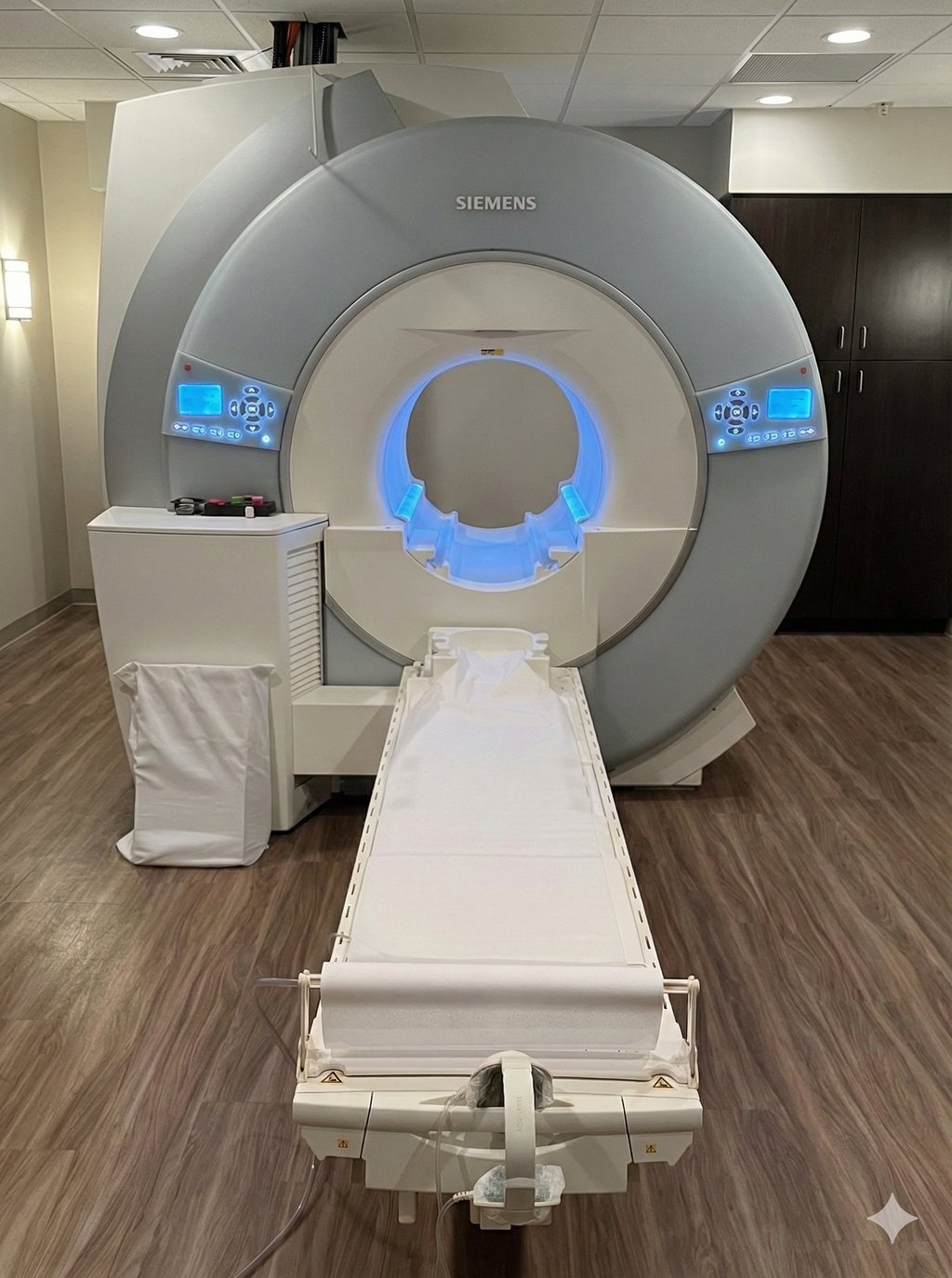
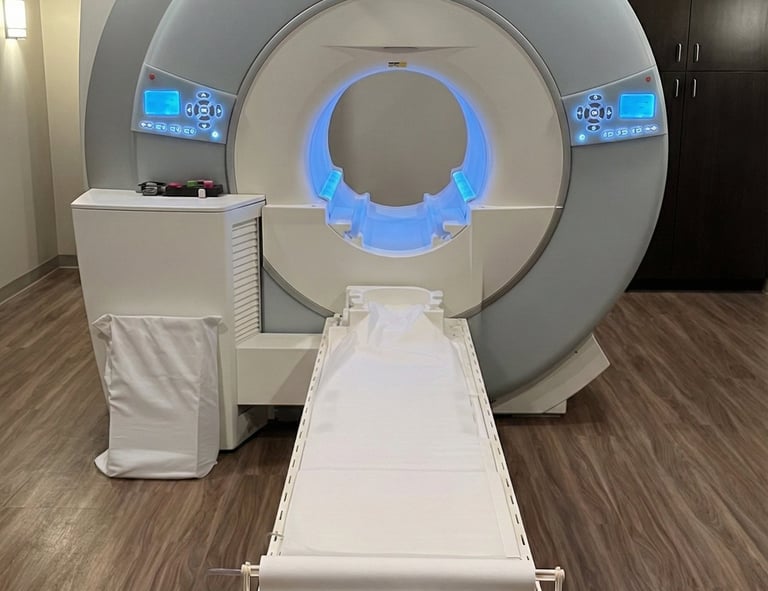
Step 3: On-Site Imaging or Testing (If Needed)
Most patients aren’t sure what a neurological visit for headaches, memory changes, or episodes of confusion will involve — and that can make the process feel intimidating. This section walks you through what typically happens during a Head & Brain evaluation so you know exactly what to expect from start to finish.
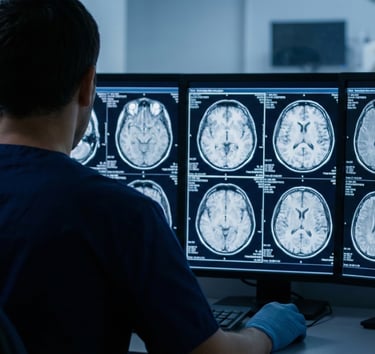
If your symptoms point toward a structural or electrical issue, we may recommend MRI brain imaging, EEG to evaluate seizure activity, or basic labs that can influence cognitive changes. Because these tools are available onsite, we can often complete them the same day.
Next, we assess how your brain is functioning. This may include checking memory, attention, orientation, speech, vision, and reflexes. These tests are gentle yet revealing, giving us clear clues about which areas of the brain may be involved.
We start by listening closely to what’s been happening — headaches that changed over time, new memory lapses, episodes of confusion, or unusual spells you can’t quite explain. Your description helps us understand the pattern, triggers, and urgency behind your symptoms.
Step 2: Cognitive & Neurological Testing
Step 4: A Clear Explanation of What’s Going On
Before you leave, we walk through everything we’ve learned — what may be causing your symptoms, what needs monitoring, and what steps we recommend next. This is often the first time patients feel like things finally make sense.
When to Seek Help — Even If Your Symptoms Seem Mild


Headaches
Increasing frequency
Waking up with pain
Vision changes
Pain that interrupts daily life
Memory Changes
Repeating questions
Losing track of conversations
Getting lost in familiar places
Seizure-Like Activity
Sudden staring spells
Unresponsiveness
Jerking movements
Confusion afterward
Post-Stroke Symptoms
Trouble speaking
Weakness
Balance issues
Fatigue or cognitive slowing
People often wait too long because symptoms feel subtle or easy to explain away. Here are signs worth checking:
If something doesn’t feel right, even if you’re unsure, it’s better to be evaluated.
How We Approach Treatment
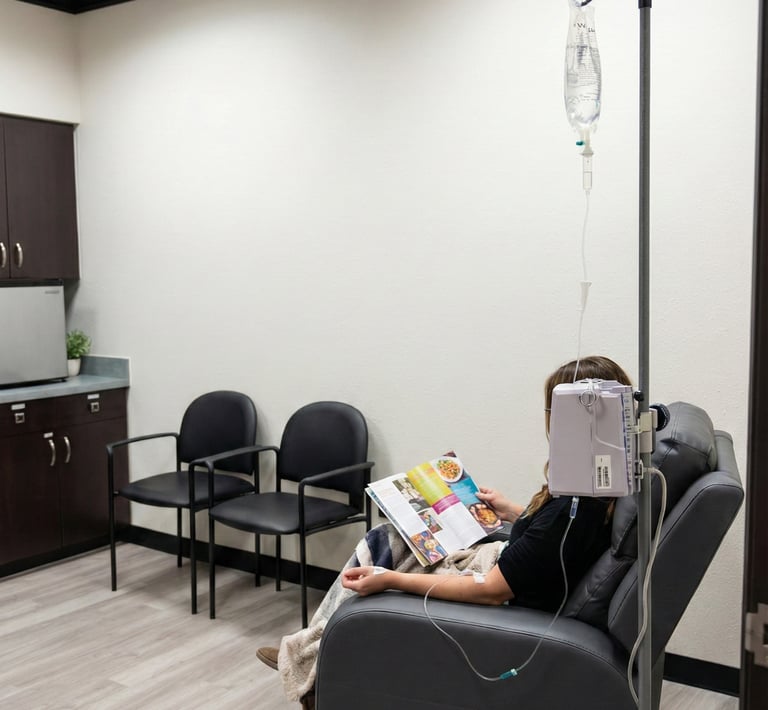
Treatment in neurology isn’t one-size-fits-all. Your plan may include:
Migraine-prevention therapy
Infusion therapies
Anti-seizure medications
Cognitive support strategies
Stroke recovery guidance
Medication adjustments over time
Follow-up imaging or testing
Lifestyle recommendations that actually make a difference
Our goal is to reduce symptoms, restore clarity, and help you feel more in control of your health.
“If something feels off — trust your instincts.”
Early evaluation can change the outcome for headache, memory, and seizure symptoms.
Frequently asked questions
What symptoms should prompt a neurological evaluation?
If you’re experiencing frequent headaches, worsening memory, sudden confusion, dizziness, fainting episodes, seizures, or changes in speech or vision, it’s a good idea to schedule an evaluation.
How do I know if my headaches are something serious?
Headaches that interrupt daily life, occur more often, wake you from sleep, or come with vision or speech changes should be checked by a neurologist.
What should I expect during my first visit?
Most visits include a detailed history, cognitive and neurological testing, and—if needed—same-day imaging such as MRI or EEG.
Do you offer same-day MRI or EEG?
Yes. Our office provides high-field MRI, EEG video monitoring, and EMG/NCS testing onsite for faster diagnosis.
What is the difference between a seizure and a fainting spell?
Seizures often involve sudden unresponsiveness, staring spells, or jerking movements. Fainting is typically brief and related to blood pressure. If you’re unsure, be evaluated.
Can memory loss or cognitive slowing be reversible?
In many cases, yes. Sleep issues, vitamin deficiencies, thyroid changes, medications, and stress can all cause reversible symptoms.
When should I worry about speech or language changes?
If speech becomes slurred, inconsistent, difficult, or suddenly hard to produce — seek immediate evaluation. These symptoms can signal neurological issues.
Do I need a referral to see Dr. Makar?
No. You can schedule directly without a referral.
Are you able to evaluate post-stroke symptoms?
Yes. We help patients recovering from stroke manage speech difficulty, weakness, balance issues, and cognitive changes.
What should I bring to my appointment?
Bring previous imaging, lab results, medications, and a written list of symptoms or concerns.

Related Neurology Services
Explore additional care options that complement your Head & Brain evaluation, including Nerves & Movement, Neuro-Oncology, and full Diagnostics & Treatment.
Managing neuropathy, tremors, imbalance, and nerve-related symptoms with precise testing and personalized treatment.
Learn more >


Comprehensive evaluation for brain tumors, masses, and neurological changes — from first symptoms to ongoing management.
Learn more >
Same-day MRI, EEG, and EMG/NCS testing available onsite to help diagnose symptoms accurately and quickly.
Learn more >


Explore our full range of neurology services.
View All Services >
Request an Appointment or Ask a Question
Our team responds within one business day.
For urgent concerns, please call us directly.
Phone
Location
Serving Central Florida
Seminole • Orange • Volusia • Lake County
Please do not submit sensitive medical information through this form.
For emergencies, call 911.
Contact Us
Serving Central Florida
Seminole County
Lake Mary, Sanford, Longwood, Oviedo, Altamonte Springs, Winter Springs, Casselberry, Heathrow, Wekiwa Springs, Forest City, Sanlando Springs
Volusia County
Deltona, Orange City, DeBary, Lake Helen
Orange County
Orlando, Winter Park, Maitland, Apopka, Eatonville
Patient Center


Where precision medicine meets genuine compassion. We provide end-to-end diagnostics and treatment for the entire family under one roof.


© 2026 Charis Neurology. All rights reserved.
If you are experiencing a medical emergency, please dial 911 or go to the nearest emergency room. Do not use this website for urgent medical needs.